Money laundering is one of the biggest challenges faced by financial institutions and businesses globally. Criminals today use sophisticated methods to hide illegally obtained money and make it appear legitimate. To deal with these activities organizations have to rely on anti money laundering professionals who understand regulations and risk assessment techniques. A certified in anti money laundering certification designed to equip you with practical knowledge and skills needed to identify suspicious activities and some financial crimes. Whether you are a banking professional or a risk manager or just someone looking to build a career in financial crime prevention this certification can greatly enhance your expertise.
What is anti money laundering?
Anti money laundering refers to a set of laws and procedures designed to prevent criminals from disguising criminally obtained funds as legitimate income. The framework helps organizations detect, investigate and also report suspicious financial activities.
Why is AML important in financial institutions?
financial institutions handle millions of transactions every day making them a common target for money laundering activities. Without effective AML controls criminals can exploit your banking systems or move illegal funds across borders and financial networks. The program helps the financial institutions get suspicious transactions early and prevent financial crimes and fraud.
Understanding anti money laundering compliance
The compiling involves implementing policies, procedures and controls that help organizations identify and mitigate money. The programs are also designed to ensure that institutions follow all the laws and regulatory requirements.
A robust AML compliance framework typically includes:
- Customer identification and verification
- Risk assessment procedures
- Transaction monitoring systems
- Employee training programs
- Suspicious activity reporting mechanisms
- Independent audits and reviews
Organizations that fail to comply with AML regulations can face significant financial penalties, legal consequences, and reputational damage.
Anti money laundering process explained
The process follows a structured approach to identify and prevent suspicious financial activities.
The process generally includes:
- Customer onboarding and identity verification
- Customer risk assessment
- Ongoing transaction monitoring
- Detection of unusual activities
- Investigation of suspicious transactions
- Filing regulatory reports when required
- Maintaining records and documentation
Stages of money laundering
The initial stage is placement where illegally obtained funds are introduced in the financial system. Criminals might deposit cash into the bank account or use various financial instruments to conceal the source of funds. Layering happens after replacement. Multiple transactions are conducted to obscure the origin of the money which may be transferred across multiple accounts or countries. The final stage is integration that occurs when laundered money reenters the economy as seemingly legitimate funds through investments or asset purchase.
Types of anti money laundering activities
The activities include a wide range of preventive and investigative measures designed to reduce financial crime risks.
Common AML activities include:
- Customer Due Diligence (CDD)
- Enhanced Due Diligence (EDD)
- Know Your Customer (KYC) verification
- Transaction monitoring
- Sanctions screening
- Politically Exposed Person (PEP) screening
- Suspicious Activity Reporting (SAR)
- Risk assessment and profiling
- Internal audits and compliance reviews
These activities work together to create a comprehensive defense against financial crime.
AML and KYC: main differences and importance
KYC focuses on verifying your customer identity and understanding customer profiles before establishing a business relationship. AML is a broader framework that includes KYC along with ongoing monitoring and risk management. Together both of them help you create a strong foundation for financial crime prevention.
AML Tools, Technologies & AI-Based Monitoring
Technology has transformed the way organizations manage AML compliance.
Modern AML solutions use advanced technologies such as:
- Artificial Intelligence (AI)
- Machine Learning (ML)
- Data Analytics
- Automated Transaction Monitoring
- Network Analysis
- Behavioral Analytics
Risk assessment in AML investigations
The risk assessment is basically a fundamental part of any AML program. Organizations need to identify and evaluate the risk associated with customers and products. Some main factors include customer occupation and business activities, transaction patterns, source of funds and industry sector. A risk approach helps organizations allocate resources effectively and also focus on high risk areas.
Transaction Monitoring and Suspicious Activity Reporting
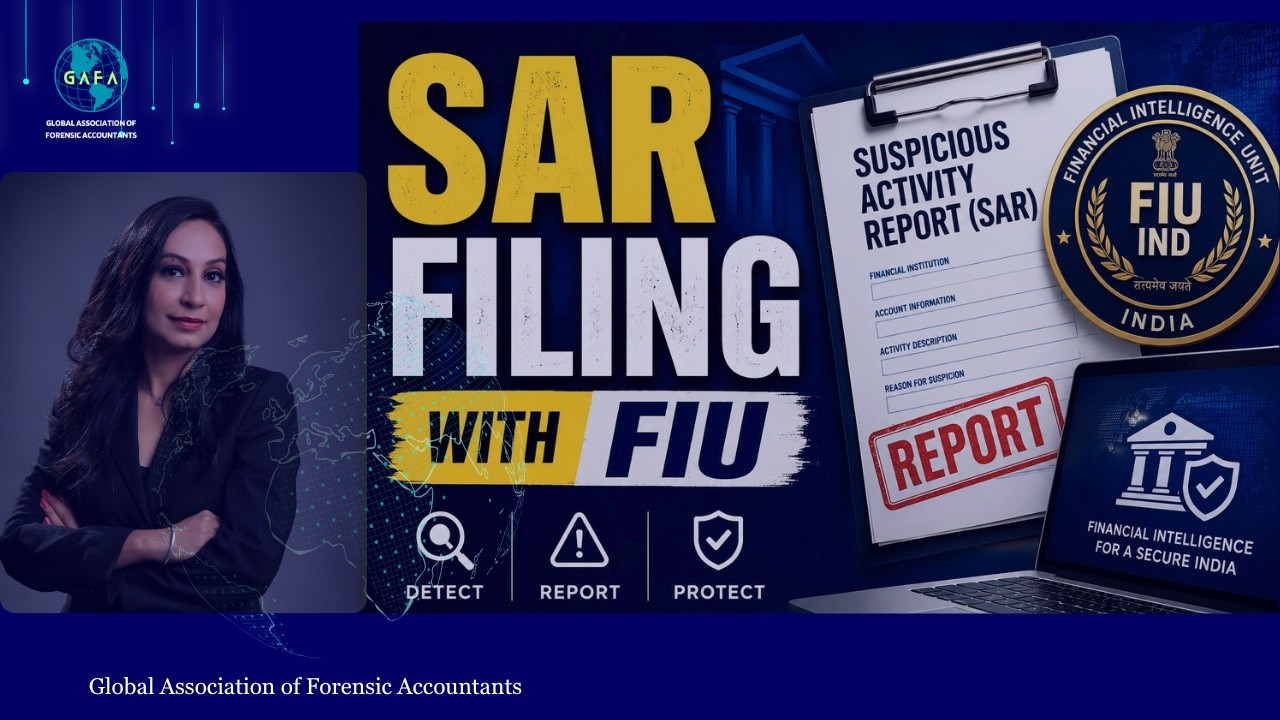
Transaction monitoring involves continuously reviewing your customer transactions to identify unusual or suspicious activity. When suspicious activities are detected you need to file suspicious activity reports with the relevant regulatory authorities. As a professional you play a very important role 3rd in analyzing alerts and conducting investigations.
Customer due diligence and enhanced due diligence
Customer due diligence is the process of gathering and verifying information about your customers to understand the risk profiles. Customer due diligence includes identity verification, address verification and source of funds evaluation. Enhanced due diligence is applied to higher risk customers like politically exposed people or high net individuals.
Who Should Enroll in This AML Certification?
This certification is suitable for both experienced professionals and newcomers interested in financial crime compliance.
Ideal participants include:
- Banking professionals
- Compliance officers
- Risk management professionals
- Internal auditors
- Financial analysts
- Legal professionals
- Fintech employees
- Graduates seeking compliance careers
No matter your experience level, the certification provides practical knowledge that can be applied immediately in professional environments.
Career opportunities in AML and finance crime Compliance
Demand for AML professionals continues to grow as regulatory requirements become more stringent globally. You can become AML analyst compliance officer KYC analyst or risk management specialist besides fraud prevention analyst. When you have recognized AML certifications you can enjoy stronger career path and increase credibility
Skills You Will Learn in This AML certification
By completing the CAML certification, participants will develop valuable skills, including:
- AML compliance management
- Risk assessment techniques
- Transaction monitoring
- Suspicious activity detection
- Customer due diligence procedures
- Regulatory reporting
- Financial crime investigation
- AML technology utilization
- Regulatory framework understanding
So above all you need to know that after completing the training program you are required to pass a certification examination that evaluates your understanding of AML principles and regulations. In today’s highly regulated financial environment AML expertise is more valuable than ever before. Earning a certification not only strengthens your professional profile but also prepares you to play a very important role in protecting organizations and financial systems from money laundering and other financial crimes.