

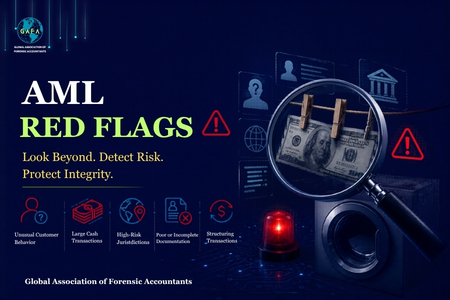
In today’s rapidly evolving financial ecosystem, identifying suspicious behavior is no longer optional it’s critical. Financial institutions are under increasing pressure to detect and prevent illicit activities such as money laundering, fraud, and terrorist financing. This is where understanding AML Red Flags becomes essential.
For compliance professionals, recognizing early warning signs can be the difference between proactive prevention and regulatory penalties. This guide explores the most important AML Red Flags Every Compliance Officer Must Know, helping you strengthen your AML risk management framework.
What Are AML Red Flags?
AML red flags are warning signs that indicate potentially suspicious or unusual financial activity. These signals help compliance officers identify transactions or behaviors that may involve money laundering or financial crime.
Unlike clear violations, red flags are subtle indicators. They require careful analysis, contextual understanding, and sometimes further investigation.
Why AML Red Flags Matter in Compliance
Ignoring red flags can expose organizations to:
- Regulatory fines and penalties
- Reputational damage
- Legal consequences
- Loss of customer trust
Effective detection of AML red flags is a cornerstone of AML risk management best practices.
Enroll in CAML Certification Now
Key Categories of AML Red Flags
To make detection easier, AML red flags are typically categorized based on customer behavior, transaction patterns, and documentation inconsistencies.
1. Customer Behavior Red Flags
Customer behavior often provides the first clues of suspicious activity.
Unusual Customer Conduct
- Reluctance to provide identification documents
- Providing incomplete or inconsistent information
- Overly complex ownership structures without clear business purpose
Sudden Changes in Activity
- A dormant account becoming suddenly active
- Significant increase in transaction volume without explanation
Avoidance Tactics
- Customers trying to bypass reporting thresholds
- Structuring transactions to avoid detection
These behaviors are classic examples of AML red flags in customer due diligence (CDD).
2. Transaction-Based AML Red Flags
Transactions are the backbone of financial monitoring systems. Identifying anomalies here is crucial.
Large or Unusual Transactions
- Transactions inconsistent with customer profile
- Large cash deposits or withdrawals without justification
Structuring (Smurfing)
- Breaking large transactions into smaller ones to avoid reporting thresholds
Rapid Movement of Funds
- Funds transferred quickly between multiple accounts
- Frequent international transfers without clear purpose
High-Risk Jurisdiction Activity
- Transactions involving countries with weak AML regulations
- Transfers to offshore tax havens
These are strong indicators within AML transaction monitoring systems.
3. Documentation and Identity Red Flags
Verification failures often signal deeper issues.
Suspicious Documentation
- Fake or altered identification documents
- Mismatched personal details across documents
Shell Companies
- Businesses with no physical presence or operational activity
- Complex ownership structures masking beneficial owners
Frequent Changes
- Repeated updates to customer information without clear reason
These are critical in Know Your Customer (KYC) compliance processes.
4. Industry-Specific AML Red Flags
Certain industries are more vulnerable to money laundering risks.
Real Estate
- Property purchases with cash
- Rapid buying and selling of properties
Banking and Financial Services
- Multiple accounts under one name
- Frequent wire transfers with no clear purpose
Cryptocurrency
- Use of multiple wallets to obscure transaction trails
- Sudden large crypto-to-fiat conversions
Understanding sector-specific risks strengthens AML compliance frameworks.
5. Behavioral Patterns Linked to Money Laundering
Patterns often reveal more than individual transactions.
Layering Activities
- Complex series of transactions to obscure money origin
Integration Signals
- Funds re-entering the economy as legitimate income
Third-Party Transactions
- Use of intermediaries with no clear relationship
Recognizing these patterns is key to detecting advanced laundering schemes.
Get CAML Certified with AI-Powered Training
How Compliance Officers Can Identify AML Red Flags
Detection requires a mix of technology, expertise, and structured processes.
1. Implement Robust AML Monitoring Systems
Automated systems help track and flag unusual transactions in real time.
2. Strengthen KYC and Customer Due Diligence
Collect accurate customer data and verify it regularly.
3. Conduct Ongoing Monitoring
AML is not a one-time process. Continuous monitoring ensures updated risk assessment.
4. Train Compliance Teams Regularly
Human judgment is still critical. Teams must stay updated on evolving risks.
5. Use Risk-Based Approach
Focus resources on high-risk customers and transactions.
Common Mistakes in Identifying AML Red Flags
Even experienced compliance teams can miss key signals.
- Over-reliance on automated tools
- Ignoring small inconsistencies
- Lack of proper documentation
- Inadequate staff training
- Failure to update risk profiles
Avoiding these mistakes enhances AML risk management efficiency.
The Role of Technology in AML Red Flag Detection
Technology has transformed how financial institutions detect suspicious activity.
AI and Machine Learning
- Identify hidden patterns in large datasets
- Reduce false positives
Data Analytics
- Analyze transaction trends and anomalies
Automation Tools
- Improve efficiency in reporting and monitoring
These tools are essential for modern AML compliance solutions.
Regulatory Expectations Around AML Red Flags
Regulators expect organizations to:
- Identify and document red flags
- Report suspicious activities promptly
- Maintain audit trails
- Ensure compliance with global AML standards
Failure to comply can lead to severe penalties.
How GAFA Helps in AML Awareness and Training
At GAFA, we empower professionals with practical knowledge of AML frameworks and real-world red flag scenarios.
Our programs focus on:
- Hands-on AML risk analysis
- Case-based learning
- Industry-relevant compliance training
- Certification aligned with global standards
Whether you’re a beginner or an experienced professional, GAFA helps you stay ahead in the compliance landscape.
Upgrade Your Career in AML Today
Conclusion
Understanding AML Red Flags Every Compliance Officer Must Know is no longer optional it’s a necessity. As financial crimes become more sophisticated, compliance professionals must sharpen their ability to detect suspicious patterns early.
By combining technology, training, and a proactive mindset, organizations can build a strong defense against financial crime.
Staying vigilant today ensures compliance tomorrow.
FAQs
1. What are AML red flags in compliance?
AML red flags are warning signs that indicate potentially suspicious financial activity. These include unusual transaction patterns, inconsistent customer information, and behavior that deviates from normal financial practices. Compliance officers use these indicators to detect possible money laundering or fraud. Identifying these red flags early helps organizations prevent financial crimes, maintain regulatory compliance, and reduce risks associated with illegal financial activities.
2. Why are AML red flags important for compliance officers?
AML red flags are crucial because they help compliance officers identify suspicious activities before they escalate into serious financial crimes. Detecting these signals ensures timely reporting and investigation, which protects organizations from regulatory penalties and reputational damage. By understanding these red flags, compliance officers can strengthen AML risk management frameworks and ensure adherence to global compliance standards.
3. What are common transaction-related AML red flags?
Common transaction-related AML red flags include large unexplained cash deposits, frequent transfers to high-risk countries, structuring transactions to avoid reporting thresholds, and rapid movement of funds across multiple accounts. These patterns often indicate attempts to disguise the origin of funds. Monitoring such activities is essential for effective AML compliance and fraud prevention.
4. How can organizations detect AML red flags effectively?
Organizations can detect AML red flags by implementing automated monitoring systems, conducting strong KYC processes, and using a risk-based approach. Regular staff training and continuous transaction monitoring also play a vital role. Combining technology with human expertise ensures better detection of suspicious patterns and improves overall AML compliance effectiveness.
5. How does GAFA help professionals understand AML red flags?
GAFA provides industry-focused training programs that help professionals understand AML red flags through practical case studies and real-world scenarios. The courses cover AML compliance frameworks, transaction monitoring, and risk management techniques. By enrolling in GAFA programs, compliance officers gain the skills needed to identify suspicious activities and enhance their career opportunities in the financial compliance domain.