
Digital investigations have evolved significantly with the rise of cryptocurrency, blockchain technology, and cybercrime. Traditional digital forensics has long been used to investigate computers, mobile devices, servers, and digital evidence linked to cyber incidents. However, the rapid growth of cryptocurrencies and decentralized technologies has created a new specialized field known as blockchain forensics.
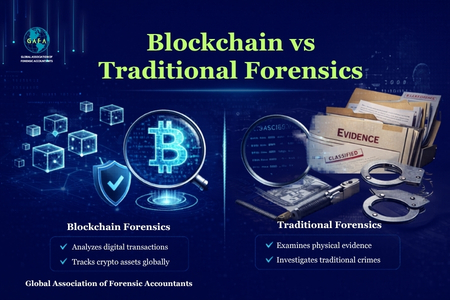
Although both blockchain forensics and traditional digital forensics focus on investigating digital activities, the methods, tools, technologies, and investigation goals are very different. Traditional forensics mainly focuses on recovering and analyzing digital evidence from devices and systems, while blockchain forensics focuses on tracing cryptocurrency transactions and analyzing blockchain activities.
As cybercrime becomes more advanced, organizations now require professionals with expertise in both digital forensics and blockchain investigations. Understanding the differences between these two fields is important for cybersecurity professionals, investigators, law enforcement agencies, and individuals interested in cyber investigation careers.
What is Traditional Digital Forensics?
Traditional digital forensics is the process of collecting, preserving, analyzing, and presenting digital evidence from electronic devices. Investigators use digital forensic techniques to examine computers, mobile phones, servers, hard drives, cloud systems, and network devices during cybercrime investigations.
Digital forensics is commonly used in cases involving hacking, insider threats, identity theft, corporate espionage, data breaches, cyber fraud, and criminal investigations. Investigators analyze deleted files, browser history, emails, system logs, network activity, and metadata to identify suspicious behavior and recover evidence.
Traditional digital forensic investigations follow strict legal procedures to ensure evidence remains admissible in court. Investigators create forensic copies of devices, preserve chain of custody records, and use specialized tools to prevent evidence tampering.
The field of digital forensics has expanded rapidly due to the increasing number of cyberattacks and digital crimes worldwide.
What is Blockchain Forensics?
Blockchain forensics is the investigation and analysis of cryptocurrency transactions and blockchain activities. Investigators use blockchain analytics tools to trace digital asset movements, identify suspicious wallet activities, and uncover crypto related crimes.
Unlike traditional digital forensics, blockchain investigations focus on decentralized blockchain networks such as Bitcoin, Ethereum, and other cryptocurrencies. Every transaction on a blockchain is permanently recorded on a distributed ledger, creating a transparent transaction history that investigators can analyze.
Blockchain forensic professionals investigate cryptocurrency scams, ransomware attacks, phishing operations, darknet transactions, money laundering activities, and fraud schemes involving digital assets.
The growth of cryptocurrency adoption has increased the demand for blockchain investigation specialists across cybersecurity firms, crypto exchanges, financial institutions, and law enforcement agencies.
Main Difference Between Blockchain Forensics and Traditional Forensics
The biggest difference between blockchain forensics and traditional digital forensics lies in the type of evidence being investigated.
Traditional digital forensics focuses on physical devices and digital systems. Investigators analyze local storage, operating systems, applications, network logs, and user activity from devices like computers and mobile phones.
Blockchain forensics focuses on blockchain transactions and cryptocurrency wallet activities. Instead of examining local device evidence, blockchain investigators analyze transaction histories, wallet addresses, smart contracts, and blockchain data.
Traditional digital forensics often requires physical access to devices or systems. Blockchain investigations usually rely on publicly available blockchain transaction records and blockchain intelligence platforms.
Another major difference is the transparency of evidence. Blockchain transactions are publicly visible on decentralized ledgers, while traditional digital evidence is often stored privately within devices or servers.
Investigation Methods in Traditional Digital Forensics
Traditional digital forensic investigations involve several technical processes designed to preserve and analyze electronic evidence.
Investigators first secure and isolate devices to prevent evidence tampering. They create forensic images of storage devices using specialized software to preserve original data.
Forensic analysts then examine system files, deleted data, browser activity, chat logs, emails, application data, and metadata to reconstruct digital activities. Network forensic techniques may also be used to analyze internet traffic and identify malicious communication.
Digital forensic investigations often include malware analysis, memory analysis, timeline reconstruction, and password recovery processes.
These investigations are heavily dependent on forensic imaging tools, operating system analysis, and file recovery techniques.
Investigation Methods in Blockchain Forensics
Blockchain forensic investigations focus on tracing cryptocurrency transactions across blockchain networks.
Investigators begin by identifying suspicious wallet addresses linked to fraud, ransomware, or cybercrime activities. They then use blockchain analysis tools to track transaction paths and analyze wallet interactions.
Blockchain forensic platforms use transaction clustering techniques to identify related wallets and detect suspicious financial patterns. Investigators also monitor interactions with crypto exchanges, decentralized finance platforms, and high risk entities.
Cross chain tracing has become an important part of modern blockchain investigations because criminals often move funds across multiple blockchain networks to hide transaction trails.
Unlike traditional digital investigations, blockchain forensic analysis relies heavily on transaction visualization, blockchain intelligence databases, and cryptocurrency risk analysis.
Tools Used in Traditional Digital Forensics
Traditional digital forensic investigations use a wide range of forensic software and hardware tools.
Popular tools include EnCase, FTK, Autopsy, Cellebrite, X Ways Forensics, Volatility, and Magnet AXIOM. These platforms help investigators recover deleted files, analyze devices, perform memory analysis, and examine digital evidence.
Network forensic tools are also used to monitor traffic logs and identify suspicious communication activities.
Digital forensic investigators often work with specialized hardware write blockers and forensic imaging devices to preserve evidence integrity during investigations.
Tools Used in Blockchain Forensics
Blockchain forensics relies on specialized blockchain intelligence and crypto analytics platforms.
Popular blockchain forensic tools include Chainalysis, Elliptic, TRM Labs, CipherTrace, Crystal Blockchain, and GraphSense. These tools help investigators trace crypto transactions, identify wallet clusters, monitor suspicious activities, and generate compliance reports.
Blockchain explorers such as Etherscan and Blockchain.com are also commonly used during investigations to verify transaction data.
Modern blockchain forensic platforms increasingly use artificial intelligence and machine learning to improve fraud detection and transaction analysis capabilities.
Role of Artificial Intelligence in Both Fields
Artificial intelligence is transforming both blockchain forensics and traditional digital forensics.
In traditional digital forensics, AI helps investigators analyze large datasets, identify malware patterns, automate evidence classification, and improve threat detection processes.
In blockchain forensics, AI powered systems analyze blockchain transaction data in real time and identify suspicious wallet behavior more efficiently. Machine learning algorithms help detect fraud patterns, money laundering activities, and ransomware payment flows.
AI significantly reduces manual investigation time and improves investigation accuracy across both forensic domains.
Career Opportunities in Traditional Digital Forensics
Traditional digital forensics offers strong career opportunities across cybersecurity, law enforcement, corporate security, and government sectors.
Common career roles include digital forensic analyst, cybercrime investigator, incident responder, malware analyst, and forensic consultant.
Professionals working in digital forensics investigate cyberattacks, data breaches, insider threats, and criminal cases involving digital evidence.
The growing number of cyber threats has increased demand for skilled digital forensic experts worldwide.
Career Opportunities in Blockchain Forensics
Blockchain forensics is one of the fastest growing areas in cybersecurity and digital finance.
Organizations are actively hiring blockchain analysts, crypto investigators, compliance specialists, anti money laundering analysts, and blockchain intelligence professionals.
Career opportunities exist across crypto exchanges, cybersecurity companies, fintech firms, banks, blockchain startups, and government agencies.
The increasing adoption of cryptocurrencies and stricter financial regulations are driving long term demand for blockchain forensic professionals.
Challenges in Traditional Digital Forensics
Traditional digital forensic investigations face several challenges including encrypted devices, cloud storage environments, anti forensic techniques, and massive volumes of digital data.
Investigators must also follow strict legal procedures and maintain proper evidence handling practices during investigations.
Rapidly evolving technologies and operating systems require continuous skill updates and forensic tool advancements.
Challenges in Blockchain Forensics
Blockchain investigations also face multiple challenges. Privacy focused cryptocurrencies such as Monero make transaction tracing difficult because transaction details are hidden.
Crypto mixers, decentralized exchanges, and cross chain bridges are often used by criminals to obscure transaction trails and avoid detection.
The global and decentralized nature of cryptocurrency creates additional regulatory and jurisdictional complexities for investigators.
Despite these challenges, blockchain forensic technology continues improving rapidly with advanced analytics and AI driven investigation capabilities.
Future of Blockchain and Traditional Forensics
Both blockchain forensics and traditional digital forensics will continue playing important roles in cybersecurity and cybercrime investigations.
Traditional digital forensics will remain essential for investigating devices, malware infections, data breaches, and network attacks.
Blockchain forensics will become increasingly important as cryptocurrencies, decentralized finance platforms, NFTs, and Web3 technologies continue expanding globally.
Future investigations will likely combine both traditional forensic analysis and blockchain intelligence to solve complex cybercrime cases involving digital assets and online systems.
Organizations will continue investing heavily in forensic technologies, artificial intelligence, and cyber investigation capabilities.
Conclusion
Blockchain forensics and traditional digital forensics are both critical components of modern cybersecurity investigations. While traditional digital forensics focuses on devices and digital evidence, blockchain forensics specializes in cryptocurrency transaction analysis and blockchain intelligence.
Both fields require strong analytical skills, cybersecurity knowledge, and investigation expertise. As cybercrime continues evolving, professionals with expertise in both digital forensics and blockchain investigations will become increasingly valuable.
Understanding the differences between these forensic domains helps organizations strengthen security operations and improve cybercrime investigation capabilities in the digital era.
FAQs
Q1. What is the difference between blockchain forensics and digital forensics?
Answer: Blockchain forensics focuses on cryptocurrency investigations and blockchain transactions, while digital forensics investigates devices, systems, and electronic evidence.
Q2. Is blockchain forensics part of cybersecurity?
Answer: Yes. Blockchain forensics is closely connected to cybersecurity, financial crime investigations, and anti money laundering operations.
Q3. Which tools are used in blockchain forensics?
Answer: Popular blockchain forensic tools include Chainalysis, Elliptic, TRM Labs, CipherTrace, and Crystal Blockchain.
Q4. What careers are available in digital forensics?
Answer: Career roles include digital forensic analyst, cybercrime investigator, incident responder, and malware analyst.
Q5. Is blockchain forensics a growing career field?
Answer: Yes. The demand for blockchain forensic professionals is growing rapidly due to increasing cryptocurrency adoption and cybercrime investigations.