
In today’s rapidly evolving financial ecosystem, managing risk is no longer just a regulatory requirement it’s a strategic necessity. Among various compliance challenges, AML Risk Management stands out as a critical function that protects organizations from financial crimes, reputational damage, and regulatory penalties.
With increasing scrutiny from regulators and the growing sophistication of financial criminals, businesses must adopt structured and proactive approaches. This guide explores AML Risk Management: Best Practices, helping organizations strengthen compliance frameworks while maintaining operational efficiency.
What is AML Risk Management?
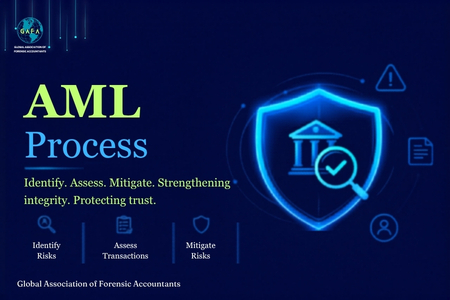
AML Risk Management refers to the process of identifying, assessing, monitoring, and mitigating risks associated with money laundering and terrorist financing. It involves evaluating customer behavior, transaction patterns, geographic exposure, and business relationships.
Effective AML risk management ensures that financial institutions:
- Detect suspicious activities early
- Comply with global and local regulations
- Avoid hefty penalties and legal consequences
- Maintain customer trust and brand integrity
Without a proper AML framework, even well-established organizations can face severe financial and reputational setbacks.
Why AML Risk Management is Important
Financial institutions operate in a high-risk environment where illicit activities can easily blend with legitimate transactions. That’s why AML Risk Management: Best Practices are essential for sustainable growth.
Key Reasons:
- Regulatory Compliance: Avoid penalties from authorities
- Fraud Prevention: Detect and prevent illegal transactions
- Reputation Protection: Maintain stakeholder trust
- Operational Stability: Reduce financial and legal risks
Ignoring AML risks is no longer an option it can lead to business disruptions and long-term damage.
Enroll the AML Certification
Core Components of AML Risk Management
To build a robust AML strategy, organizations must focus on several key components:
1. Risk Assessment Framework
A strong AML program begins with a comprehensive risk assessment. This includes analyzing:
- Customer risk (high-risk clients, PEPs)
- Product risk (high-value or anonymous transactions)
- Geographic risk (high-risk jurisdictions)
- Channel risk (online vs offline transactions)
Regular updates to the risk assessment ensure alignment with evolving threats.
2. Customer Due Diligence (CDD) & Enhanced Due Diligence (EDD)
CDD is the backbone of AML compliance. It involves verifying customer identity and understanding their financial behavior.
- CDD: Basic identity verification and risk profiling
- EDD: Deeper analysis for high-risk customers
Organizations must ensure continuous monitoring rather than one-time verification.
3. Transaction Monitoring Systems
Automated transaction monitoring helps detect suspicious activities in real-time. These systems analyze:
- Transaction size and frequency
- Unusual patterns
- Cross-border transactions
Modern AML systems leverage AI and machine learning to improve detection accuracy.
4. Reporting & Documentation
Timely reporting of suspicious activities is a regulatory requirement. Institutions must:
- File Suspicious Transaction Reports (STRs)
- Maintain audit trails
- Ensure proper documentation
Transparency and accuracy are crucial for regulatory audits.
5. AML Governance and Policies
Clear policies and internal controls ensure consistency in AML practices. Organizations should:
- Define roles and responsibilities
- Implement escalation procedures
- Conduct internal audits
Strong governance builds accountability across departments.
Buy Now: AML Certification
AML Risk Management: Best Practices
Implementing best practices can significantly enhance your AML compliance framework. Here are proven strategies used by leading institutions:
1. Adopt a Risk-Based Approach
A one-size-fits-all strategy doesn’t work in AML. Organizations should prioritize resources based on risk levels.
- Focus more on high-risk customers
- Allocate resources efficiently
- Customize monitoring rules
This approach ensures optimal use of time and technology.
2. Leverage Advanced Technology
Manual processes are no longer sufficient. Advanced tools improve accuracy and efficiency.
- AI-powered transaction monitoring
- Automated KYC verification
- Real-time alerts and analytics
Technology reduces human error and speeds up compliance processes.
3. Continuous Employee Training
Employees are the first line of defense. Regular training ensures they can identify red flags effectively.
- Conduct AML workshops
- Update teams on regulatory changes
- Use real-world case studies
A well-trained team strengthens your AML framework significantly.
4. Strengthen Customer Risk Profiling
Understanding your customers is critical. Use data-driven insights to build accurate risk profiles.
- Monitor behavior over time
- Update profiles regularly
- Identify anomalies quickly
Dynamic profiling helps detect risks before they escalate.
5. Ensure Regulatory Alignment
AML regulations vary across regions. Staying updated is essential.
- Follow global standards (FATF guidelines)
- Align with local regulatory requirements
- Conduct periodic compliance reviews
Proactive compliance reduces the risk of penalties.
6. Conduct Independent Audits
Third-party audits provide unbiased insights into your AML program.
- Identify gaps and weaknesses
- Improve internal controls
- Enhance transparency
Regular audits ensure continuous improvement.
7. Maintain Strong Data Management
Accurate and secure data is critical for AML compliance.
- Store customer data securely
- Ensure data accuracy and consistency
- Enable quick access during audits
Good data management supports effective decision-making.
Become a Certified AML Professional
Challenges in AML Risk Management
Despite advancements, organizations face several challenges:
- Evolving Threats: Criminals continuously change tactics
- Regulatory Complexity: Frequent updates and global variations
- Data Overload: Managing large volumes of transactions
- False Positives: High number of unnecessary alerts
Addressing these challenges requires a combination of technology, expertise, and strategic planning.
Future Trends in AML Risk Management
The future of AML is driven by innovation and digital transformation.
Emerging Trends:
- AI-driven risk assessment models
- Blockchain-based transaction tracking
- Real-time compliance monitoring
- Integration of RegTech solutions
Organizations that embrace these trends will stay ahead of financial crime risks.
How GAFA Helps in AML Risk Management
At GAFA, we understand the complexities of AML compliance and risk management. Our expertise lies in delivering practical, industry-relevant training and solutions that empower professionals and organizations.
What GAFA Offers:
- Industry-focused AML certification programs
- Hands-on training in AML tools and frameworks
- Expert-led sessions with real-world insights
- Career-focused learning with practical exposure
Whether you are a professional looking to upskill or an organization aiming to strengthen compliance, GAFA provides the right foundation.
Get CAML Certified with AI-Powered Training
Conclusion
AML Risk Management: Best Practices are essential for safeguarding financial institutions against evolving threats. By adopting a risk-based approach, leveraging technology, and maintaining strong governance, organizations can build resilient AML frameworks.
In a world where financial crimes are becoming increasingly sophisticated, proactive AML strategies are no longer optional they are critical for survival and growth.
FAQs
Q1. What is AML Risk Management and why is it important?
Answer: AML Risk Management involves identifying and mitigating risks related to money laundering and financial crimes. It is crucial because it helps organizations comply with regulations, prevent illegal activities, and protect their reputation. Without proper AML measures, businesses may face heavy penalties, operational disruptions, and loss of customer trust. A strong AML framework ensures long-term sustainability and regulatory compliance in an increasingly complex financial environment.
Q2. What are the key components of AML Risk Management?
Answer: The key components include risk assessment, customer due diligence (CDD), transaction monitoring, reporting, and governance. Each element plays a vital role in identifying and controlling risks. Risk assessment helps categorize threats, while CDD ensures proper customer verification. Transaction monitoring detects suspicious behavior, and reporting ensures compliance. Governance establishes policies and accountability, making the entire AML system effective and reliable.
Q3. How does a risk-based approach improve AML compliance?
Answer: A risk-based approach allows organizations to focus resources on high-risk areas instead of applying uniform controls. This improves efficiency and reduces unnecessary workload. By prioritizing high-risk customers, transactions, and geographies, institutions can detect threats more effectively. It also ensures better allocation of resources, enhances monitoring accuracy, and aligns with global regulatory expectations, making AML programs more practical and impactful.
Q4. What role does technology play in AML Risk Management?
Answer: Technology plays a critical role in modern AML practices. Advanced tools like AI and machine learning help detect suspicious patterns in real-time. Automated systems reduce manual effort, minimize errors, and improve efficiency. Technology also enables better data analysis, faster reporting, and enhanced risk assessment. As financial crimes become more sophisticated, adopting advanced AML technologies is essential for staying compliant and competitive.
Q5. How can professionals build a career in AML Risk Management?
Answer: Professionals can build a career in AML by gaining relevant certifications, understanding compliance frameworks, and developing analytical skills. Knowledge of transaction monitoring tools, regulatory guidelines, and risk assessment techniques is essential. Training programs, like those offered by GAFA, provide practical exposure and industry insights. With increasing demand for AML experts, this field offers strong career growth opportunities across banking, fintech, and regulatory sectors.