

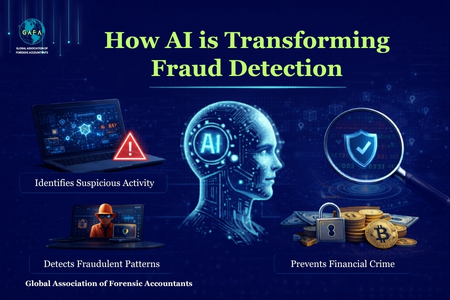
Artificial intelligence has become one of the most powerful technologies in modern cybersecurity and financial security systems. As digital transactions continue increasing across banking, ecommerce, cryptocurrency, and fintech platforms, fraud has also become more advanced and difficult to detect using traditional security methods. Organizations are now using artificial intelligence driven fraud detection systems to identify suspicious activities faster, improve risk analysis, and reduce financial losses.
Traditional fraud detection systems relied heavily on manual monitoring and rule based systems. These methods were effective for basic fraud prevention but struggled to identify complex attack patterns and large scale cybercrime operations. Artificial intelligence has transformed this process by introducing machine learning, predictive analytics, behavioral analysis, and automated threat detection.
AI powered fraud detection systems can analyze massive amounts of transaction data in real time and identify suspicious behavior patterns with high accuracy. Banks, financial institutions, ecommerce platforms, cybersecurity firms, insurance companies, and cryptocurrency exchanges are increasingly adopting AI based fraud prevention technologies to strengthen security and improve customer protection.
As cybercriminals become more sophisticated, artificial intelligence is now playing a critical role in detecting fraud activities before they cause major financial damage.
Understanding Fraud Detection
Fraud detection is the process of identifying suspicious or illegal activities intended to steal money, manipulate systems, or gain unauthorized access to financial resources. Fraud exists across multiple industries including banking, insurance, ecommerce, healthcare, cryptocurrency, and online payments.
Some of the most common fraud types include payment fraud, identity theft, account takeover attacks, insurance fraud, phishing scams, credit card fraud, and cryptocurrency fraud.
Traditional fraud detection systems mainly depended on predefined rules and manual reviews. For example, systems might flag transactions above certain amounts or activities from unusual locations. While these methods could identify basic threats, they often failed to detect advanced fraud patterns.
Cybercriminals continuously adapt their techniques to bypass traditional security controls. This is why organizations are increasingly turning to artificial intelligence to improve fraud prevention and transaction monitoring capabilities.
What is AI Based Fraud Detection?
AI based fraud detection uses artificial intelligence technologies such as machine learning, data analytics, behavioral monitoring, and automation to identify suspicious activities and reduce fraud risks.
Instead of depending only on fixed rules, AI systems learn from historical transaction data and continuously improve their detection capabilities over time. These systems analyze user behavior, transaction patterns, login activities, device information, and network behavior to identify anomalies that may indicate fraud.
Machine learning models can process huge amounts of data much faster than human analysts. They can identify hidden patterns, detect unusual activities, and predict potential fraud risks in real time.
AI fraud detection systems are capable of adapting to new attack methods and evolving fraud techniques, making them significantly more effective than traditional manual monitoring systems.
Role of Machine Learning in Fraud Detection
Machine learning is one of the most important technologies behind modern AI driven fraud detection systems.
Machine learning algorithms analyze historical transaction data to identify patterns associated with legitimate and fraudulent activities. Over time, these systems learn how users normally behave and can quickly detect activities that differ from expected behavior.
For example, if a user suddenly initiates multiple large transactions from an unusual location or device, AI systems may classify the activity as suspicious and trigger alerts for investigation.
Machine learning models also improve detection accuracy by reducing false positives. Traditional systems often block legitimate transactions incorrectly, creating inconvenience for customers. AI systems analyze multiple behavioral factors simultaneously, helping organizations distinguish between genuine activities and fraud attempts more effectively.
Supervised learning, unsupervised learning, and deep learning are commonly used machine learning techniques in fraud detection systems.
Behavioral Analytics and AI
Behavioral analytics has become a major component of AI powered fraud prevention systems. Instead of only analyzing transaction values, AI systems monitor how users behave during digital interactions.
Behavioral analytics examines factors such as typing speed, mouse movements, login habits, device usage patterns, navigation behavior, and transaction timing. These patterns help organizations identify unusual activities that may indicate account compromise or fraud attempts.
For example, if a customer usually logs in from a specific city and suddenly accesses an account from another country while performing unusual transaction activities, AI systems may flag the behavior for review.
Behavioral analysis significantly improves fraud detection because cybercriminals often struggle to replicate genuine user behavior patterns accurately.
AI in Banking Fraud Detection
The banking industry is one of the largest adopters of artificial intelligence based fraud detection systems. Banks process millions of digital transactions every day, making manual fraud monitoring almost impossible.
AI powered banking systems monitor credit card transactions, online banking activities, ATM usage, wire transfers, and payment systems in real time. These systems identify suspicious transaction patterns and prevent fraudulent activities before financial losses occur.
Artificial intelligence also helps banks improve anti money laundering compliance by monitoring unusual financial activities and identifying possible money laundering operations.
Many banks now use AI chatbots, biometric authentication, and predictive risk analysis to strengthen cybersecurity and customer protection measures.
As digital banking continues growing, AI driven fraud detection will remain essential for protecting financial systems and customer accounts.
AI in Cryptocurrency Fraud Detection
Artificial intelligence is also transforming fraud detection within the cryptocurrency industry. Crypto transactions occur globally and rapidly across decentralized networks, creating major challenges for traditional fraud monitoring systems.
Blockchain intelligence platforms now use AI driven analytics to monitor wallet activities, trace suspicious transactions, and identify cryptocurrency fraud patterns.
Machine learning systems analyze blockchain transaction histories, wallet behavior, transaction timing, and cross chain activities to detect fraud risks and money laundering attempts.
Crypto exchanges use AI based transaction monitoring systems to identify high risk wallets, phishing attacks, ransomware payments, and suspicious trading activities.
As decentralized finance platforms and digital asset ecosystems continue growing, artificial intelligence will become even more important in blockchain investigations and cryptocurrency security operations.
AI in Ecommerce Fraud Prevention
Ecommerce platforms face major fraud risks including payment fraud, fake orders, account takeovers, and refund scams. Artificial intelligence is helping online businesses strengthen transaction security and customer protection.
AI systems monitor customer purchasing behavior, shipping addresses, payment methods, and account activities to identify suspicious transactions.
For example, if multiple purchases are made using stolen payment cards or suspicious IP addresses, AI systems can automatically flag or block the transactions.
Machine learning algorithms also help ecommerce platforms reduce chargeback fraud and prevent fake account creation.
The combination of AI, behavioral analytics, and automated monitoring has significantly improved fraud prevention capabilities in online commerce systems.
AI in Insurance Fraud Detection
Insurance fraud is another area where artificial intelligence is creating major improvements. Fraudulent insurance claims cause billions of dollars in losses every year.
AI powered systems analyze claim histories, customer data, accident reports, and behavioral patterns to identify suspicious claims and possible fraud attempts.
Machine learning models can detect unusual claim activities and compare them with historical fraud cases. These systems help insurance companies reduce investigation time and improve claim verification processes.
AI also helps organizations automate fraud investigations and improve operational efficiency within insurance operations.
Real Time Fraud Detection Using AI
One of the biggest advantages of artificial intelligence is real time fraud detection capability.
Traditional fraud investigations often occurred after fraudulent activities had already caused financial losses. AI systems continuously monitor transactions and user behavior in real time, allowing organizations to respond immediately to suspicious activities.
Real time fraud monitoring is especially important for online banking, cryptocurrency exchanges, ecommerce platforms, and payment processing systems where transactions occur within seconds.
AI powered systems can automatically block suspicious transactions, trigger alerts, and initiate additional verification processes without requiring manual intervention.
This rapid response capability significantly reduces fraud risks and improves overall cybersecurity resilience.
Challenges of AI in Fraud Detection
Although artificial intelligence offers major advantages in fraud prevention, organizations also face several challenges while implementing AI based security systems.
One challenge is the quality of training data. Machine learning models depend heavily on accurate and diverse datasets. Poor quality data can reduce fraud detection accuracy and increase false positives.
Cybercriminals are also using artificial intelligence to create more advanced fraud techniques, phishing campaigns, and social engineering attacks. This creates an ongoing competition between AI driven defense systems and AI powered cyber threats.
Privacy concerns and regulatory compliance are additional challenges because fraud detection systems often analyze large amounts of customer and transaction data.
Organizations must balance strong fraud prevention capabilities with customer privacy protection and legal compliance requirements.
Future of AI in Fraud Detection
The future of AI driven fraud detection looks highly promising as organizations continue investing in cybersecurity automation and intelligent analytics systems.
Artificial intelligence will become more advanced through deep learning, predictive analytics, and autonomous threat detection technologies.
AI systems will increasingly integrate with blockchain intelligence, biometric authentication, cloud security, and behavioral analytics to strengthen fraud prevention capabilities.
The expansion of digital payments, decentralized finance, online banking, and Web3 technologies will also increase the need for intelligent fraud detection systems.
Future AI models will likely provide even faster fraud detection, improved accuracy, and stronger predictive risk analysis capabilities across global financial ecosystems.
Conclusion
Artificial intelligence is transforming fraud detection by helping organizations identify suspicious activities faster, reduce financial losses, and strengthen cybersecurity operations. AI powered systems use machine learning, behavioral analytics, and real time monitoring to detect fraud patterns that traditional systems often miss.
Banks, ecommerce companies, insurance firms, cryptocurrency exchanges, and financial institutions are increasingly adopting AI based fraud prevention technologies to improve security and customer protection.
As cybercrime continues evolving, artificial intelligence will remain one of the most important technologies in modern fraud detection and financial security systems.
FAQs
Q1. How does AI help in fraud detection?
Answer: AI analyzes transaction patterns, user behavior, and historical data to identify suspicious activities and potential fraud risks.
Q2. Which industries use AI fraud detection?
Answer: Banking, ecommerce, insurance, fintech, cybersecurity, and cryptocurrency industries widely use AI based fraud detection systems.
Q3. What is machine learning in fraud detection?
Answer: Machine learning helps systems learn from transaction data and automatically identify fraud patterns without relying only on fixed rules.
Q4. Can AI detect cryptocurrency fraud?
Answer: Yes. AI powered blockchain analytics systems can monitor wallet activities and detect suspicious crypto transactions.
Q5. What are the benefits of AI based fraud detection?
Answer: AI improves detection speed, reduces false positives, strengthens security, and helps organizations identify advanced fraud patterns more effectively.