

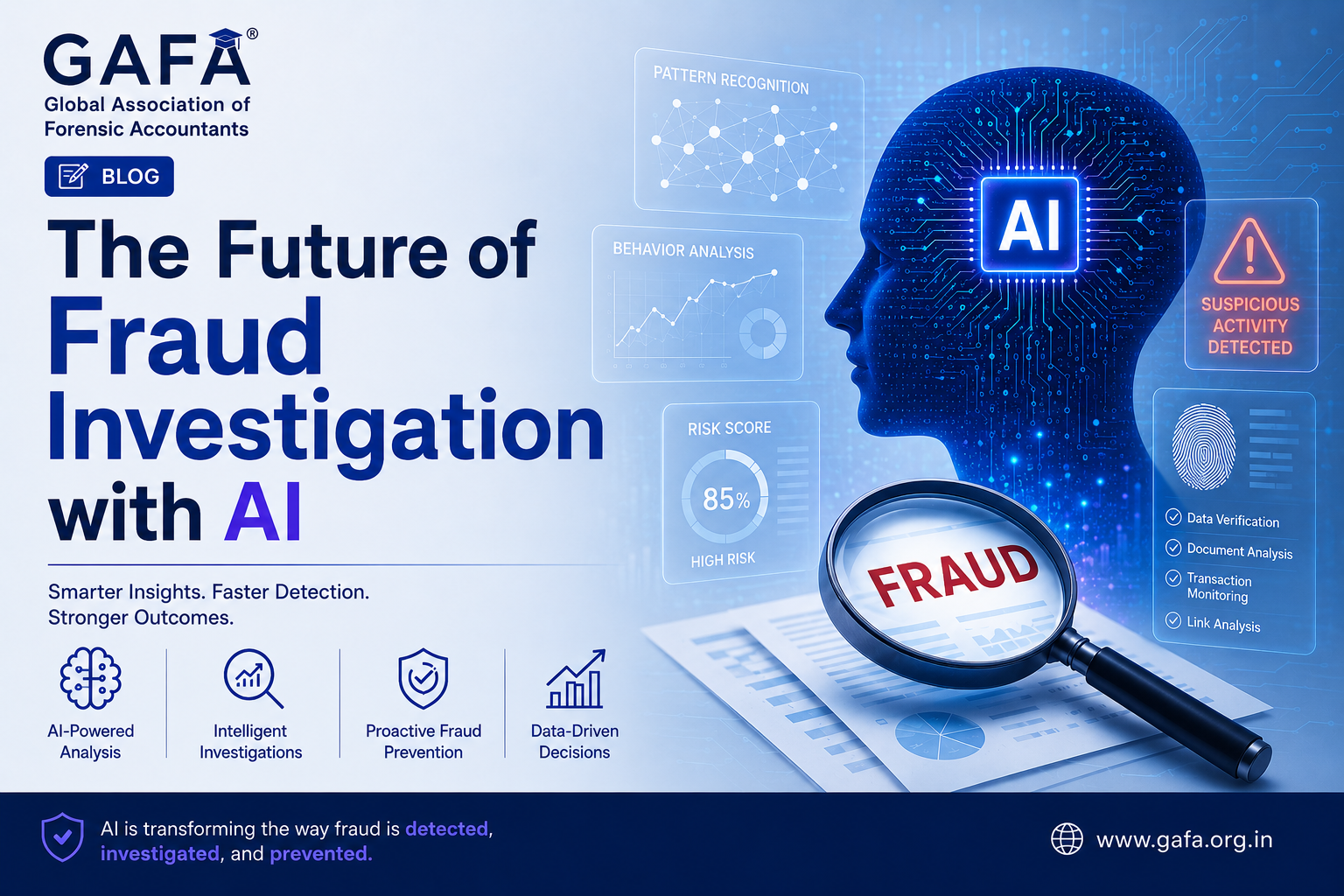
The future of fraud investigation with AI centers on autonomous, predictive telemetry. Instead of manually reviewing case files after a loss occurs, AI systems run complex anomaly mapping alongside live user sessions, resolving threats before a transaction can finalize.
The legacy approach to financial security has always been reactive. Investigators rely on transaction ledgers, prior customer disputes to track down fraudsters. But as cybercrime evolves they find loopholes within these automated scripts. This structural delay can cost enterprises millions. The future of fraud investigation with AI systematically dismantles this vulnerability window.
By leveraging neural networks that process data at scale, security frameworks no longer look for simple, historical patterns. Modern AI-native architectures evaluate contextual metadata, such as real-time navigation speed, mouse micro-movements, environmental audio, and device configurations, to catch modern exploits instantly. This transition converts the investigator’s core role from manual data triage to strategic architecture design.
Furthermore, advanced AI engines actively generate synthetic attack profiles based on emerging global threat intelligence. This means the system trains itself on theoretical threats before realworld bad actors even launch them. By running these automated simulations behind the scenes, organizations can confidently push updates to their customer portals without introducing security blind spots.
Enroll and get certification for professional AI fraud detection from GAFA .
What Real-Time Fraud Prevention Trends Are Dominating the Industry?
The most dominant fraud prevention trends center on behavioral biometrics, graph database mapping, and hyper-localized transaction scoring. This technology identifies how a user interacts with a device by isolating modern digital identity.
As fraudsters leverage compromised dark-web records, simple data points like passwords, security questions, and fixed hardware tokens are no longer reliable. Consequently, modern fraud prevention trends are prioritizing continuous, contextual identity verification.Behavioral biometrics sits at the forefront of this shift, continuously validating a user’s identity throughout their entire digital session.
Keystroke dynamics analyzes the exact micro-spacing and pressure rhythm between typed keys to confirm the account owner is human. Interface Navigation Geometry tracks the precise angle and acceleration vectors of a finger across a screen or a cursor across an application window. Finally, Network Graph Analysis links seemingly unrelated user accounts across separate banks and regions by identifying matching behavioral anomalies or underlying device prints.
These technologies create a highly effective defensive ecosystem which operates together to prevent fraud. The system restricts high-level permissions without locking the user out entirely, prompting an elegant, non-intrusive step-up verification.
How Does the Future of AI in Detecting Frauds Alter Forensic Evidence?
The future of AI in detecting frauds changes the nature of forensic evidence by replacing simple audit trails with deep, explainable data layers. Instead of checking single data points, investigators use AI to analyze vast clusters of complex user actions across multiple applications simultaneously.
When reviewing the future of ai in detecting frauds, one of the most critical structural transformations is the shift toward automated feature engineering. In traditional forensic environments, discovering the connecting link between multiple synthetic identities required weeks of meticulous data cross-referencing. AI models compress this timeline to milliseconds by identifying complex data matches across seemingly unrelated accounts.
This rapid analysis is made possible by Unsupervised Machine Learning. Unlike old-school algorithms that only find patterns humans explicitly tell them to look for, unsupervised models independently group anomalous transactions based on subtle, underlying behaviors. The system flags hidden correlations like a group of newly created accounts routing through different servers but maintaining identical copy-paste timing intervals.
Modern implementations balance this power with Explainable AI (XAI) frameworks.
The engine provides clear natural-language summaries which explains why a transaction was flagged. This allows security teams to verify choices rapidly, maintain compliance standards, and provide clear documentation for legal teams or regulatory reviews.
Learn more about AI Fraud Detection by enrolling for a certificate course with GAFA
What Are the Critical Enterprise Fraud Management Trends to Watch?
The primary trend in enterprise fraud management is building interconnected, cross-industry intelligence networks. Organizations are moving away from isolated databases to implement shared cloud ecosystems that update global threat signatures instantly as attacks occur.
Enterprise risk management is evolving past siloed data frameworks. Historically, banks, retailers, and communications providers tracked fraud trends inside their own platforms, creating gaps that cross-industry attack rings easily exploited. Contemporary fraud management trends emphasize collaborative cloud networks that share anonymized threat metrics instantly.
| Capability / Resource | Traditional Data Infrastructures | AI Based Enterprise Infrastructures |
| Data Enrichment Latency | Manual batch syncs; updates take hours or days. | Instant edge data updates; synchronized across platforms. |
| Cross-Industry Signals | Isolated data silos; high vulnerability to multi-sector attacks. | Anonymized network threat sharing; blocks systemic exploits instantly. |
| Systemic Scalability | Rigid rule databases that increase maintenance costs over time. | Self-learning algorithms that naturally adapt to new behavior. |
| Friction Engineering | Fixed security checkpoints that frustrate genuine users. | Elastic verification steps tailored to individual risk levels. |
This collaborative shift gives companies a significant advantage when combating automated, multi-tiered fraud campaigns. If an enterprise identifies a novel synthetic identity signature on one side of the network, that specific pattern is instantly neutralized across the entire shared infrastructure. This community-driven approach makes it incredibly difficult and expensive for fraud syndicates to scale their operations.
How Can Professionals Secure an AI Fraud Detection Certification from GAFA?
As machine engines fundamentally replace legacy rule-based frameworks, the global demand for skilled professionals who can architect, audit, and manage these cognitive systems is skyrocketing. Traditional investigative designations no longer cover the advanced algorithmic training required to lead modern enterprise defense teams.
To address this skills gap, security teams look to established industry standards for career development. Securing an elite industry qualification validates your expertise in deploying neural networks, managing automated model drift, and handling explainable AI frameworks within enterprise environments.
Apply for professional AI fraud detection certification from GAFA today.
Frequently Asked Questions (FAQ)
Q1. How is the future of fraud investigation with AI different from classic forensic techniques?
Answer: Classic techniques rely on manual reviews of historical ledgers after a fraud event has already occurred. The future of AI-driven investigation focuses on real-time, predictive tracking analyzing active user behavior to stop fraud attempts mid-session.
Q2. What are the most important fraud prevention trends to watch this year?
Answer: The most critical trends include behavioral biometrics, cross-industry collaborative threat intelligence networks, and the deployment of unsupervised machine learning models to instantly block zero-day exploits.
Q3. Can old-school systems be upgraded to support the future of AI in detecting frauds?
Answer: Yes. Modern AI engines deploy as a hybrid layer over your current databases. This allows companies to run real-time risk scoring without interrupting day-to-day operations.
Q4. Why are standard database rules failing to manage modern fraud trends?
Answer: Traditional rules follow rigid parameters that cannot scale. Fraud networks change their approach slightly with every attempt, easily bypassing static rules and causing high volumes of false alerts for genuine customers.
Q5. Who should pursue an AI fraud detection certification from GAFA?
Answer: The AI fraud detection certification program is designed for risk analysts, compliance managers, data scientists, and security leaders who want to master modern machine learning models, biometric tracking, and automated enterprise risk strategies.