

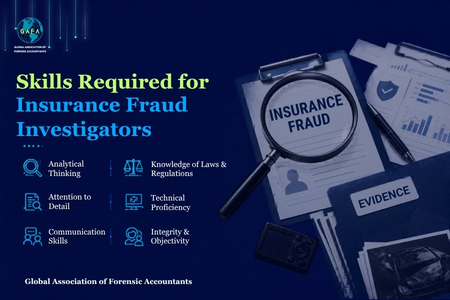
The rise in fraudulent insurance claims has made the role of fraud investigators more critical than ever. Insurance companies are actively seeking professionals who can detect fraud, analyze complex cases, and ensure fair claim settlements. To succeed in this field, mastering the right insurance fraud investigator skills is essential.
Whether you’re planning to enter this domain or advance your career, this guide will walk you through the key skills, tools, and expertise required to become a successful insurance fraud investigator.
Who is an Insurance Fraud Investigator?
An insurance fraud investigator is a professional responsible for examining insurance claims to identify fraudulent activities. They work with insurance companies, forensic firms, or private agencies to investigate suspicious claims and gather evidence.
Key Responsibilities:
- Analyzing insurance claims for inconsistencies
- Conducting interviews with claimants and witnesses
- Collecting and verifying evidence
- Preparing detailed investigation reports
- Collaborating with legal and compliance teams
These professionals play a crucial role in reducing financial losses and maintaining trust in the insurance ecosystem.
Why Skills Matter in Insurance Fraud Investigation
The complexity of fraud cases is increasing due to digitalization and advanced fraud schemes. This makes insurance fraud investigator skills more important than ever.
Key Reasons:
- Fraudsters are using sophisticated techniques
- Large volumes of claims require analytical expertise
- Legal compliance requires precision
- Technology-driven investigations demand new skills
Strong skills help professionals stand out in competitive insurance fraud investigator jobs.
Best anti-money laundering certification online
Core Insurance Fraud Investigator Skills
Here are the essential skills every investigator must develop:
1. Analytical and Critical Thinking
One of the most important skills is the ability to analyze data, identify patterns, and detect inconsistencies.
- Evaluate claim details
- Identify suspicious behavior
- Connect different pieces of evidence
This skill is crucial in understanding the insurance fraud investigation process.
2. Attention to Detail
Fraud cases often involve small discrepancies that can easily be missed.
- Reviewing documents carefully
- Spotting inconsistencies in claims
- Identifying forged or altered records
A keen eye for detail can make the difference between detecting fraud and missing it.
3. Communication and Interviewing Skills
Investigators must interact with claimants, witnesses, and professionals.
- Conducting effective interviews
- Asking the right questions
- Building trust while gathering information
Strong communication skills are essential for successful investigations.
4. Knowledge of Insurance and Legal Frameworks
Understanding policies, regulations, and legal procedures is critical.
- Insurance claim processes
- Fraud laws and compliance
- Documentation standards
This knowledge ensures investigations are legally sound.
5. Data Analysis Skills
With increasing reliance on technology, data analysis has become a key skill.
- Analyzing claim data
- Identifying fraud patterns
- Using analytics tools
This is especially important in modern insurance fraud investigation techniques.
6. Technical and Digital Skills
Technology plays a major role in fraud detection today.
- Using fraud detection software
- Understanding digital footprints
- Working with AI and analytics tools
These skills enhance efficiency and accuracy.
7. Ethical Judgment and Integrity
Investigators must maintain high ethical standards.
- Ensuring fair investigations
- Avoiding bias
- Maintaining confidentiality
Integrity is the foundation of this profession.
Advanced Skills for Career Growth
To advance in your career, consider developing these advanced skills:
1. Forensic Accounting
Helps track financial discrepancies and detect fraud.
2. AI and Fraud Analytics
Understanding AI tools used in fraud detection.
3. Cyber Fraud Investigation
Handling digital and online fraud cases.
4. Risk Management
Identifying and mitigating fraud risks proactively.
Insurance Fraud Investigation Techniques
To apply these skills effectively, investigators use various techniques:
- Surveillance: Monitoring claimants and activities
- Document Verification: Checking authenticity of records
- Data Analysis: Identifying anomalies in claims
- Interviews: Gathering insights from involved parties
- Forensic Analysis: Investigating financial transactions
Mastering these insurance fraud investigation techniques is essential for success.
Apply for the AML certification course
Certifications to Build These Skills
Certifications help validate and enhance your skill set.
Recommended Certifications:
- Certified insurance fraud investigator programs
- Insurance investigation certifications
- Fraud and forensic accounting courses
These certifications provide practical exposure and industry recognition.
Career Opportunities and Job Roles
Professionals with strong insurance fraud investigator skills can explore roles such as:
- Insurance company fraud investigator
- Fraud analyst
- Claims investigator
- Risk and compliance specialist
- Private investigator
Industries Hiring:
- Insurance companies
- Consulting firms
- Forensic accounting firms
- Government agencies
The demand for skilled professionals in insurance fraud investigator jobs is growing rapidly.
Join the CAML certification program
Challenges in Insurance Fraud Investigation
While rewarding, this career has its challenges:
- Complex and evolving fraud schemes
- High workload and pressure
- Legal and compliance requirements
- Need for continuous learning
However, these challenges also provide opportunities for growth and skill development.
Future Scope of Insurance Fraud Investigator Skills
The future of this field is shaped by technology and innovation.
Key Trends:
- AI-driven fraud detection
- Predictive analytics
- Blockchain-based claim verification
- Automation in investigations
Professionals who upgrade their skills regularly will stay ahead in this evolving field.
Conclusion
Mastering the right insurance fraud investigator skills is essential for building a successful career in this domain. From analytical thinking and communication to advanced data analytics and forensic expertise, each skill plays a vital role in detecting and preventing fraud.
As the industry continues to evolve, professionals who invest in skill development and certifications will have access to rewarding career opportunities and long-term growth.
FAQs
Q1. What skills are required for an insurance fraud investigator?
Answer: Key skills include analytical thinking, attention to detail, communication, legal knowledge, and data analysis.
Q2. How can I improve my fraud investigation skills?
Answer: You can improve by gaining certifications, practical experience, and learning modern fraud detection tools.
Q3. Are certifications important for insurance fraud investigators?
Answer: Yes, certifications enhance credibility and improve job opportunities.
Q4. What are common insurance fraud investigation techniques?
Answer: Techniques include surveillance, document verification, data analysis, and interviews.